Represents a collection of functions to interact with the API endpoints More...
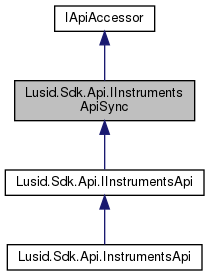
Public Member Functions | |
| DeleteInstrumentResponse | DeleteInstrument (string identifierType, string identifier) |
| [EARLY ACCESS] Delete instrument More... | |
| ApiResponse< DeleteInstrumentResponse > | DeleteInstrumentWithHttpInfo (string identifierType, string identifier) |
| [EARLY ACCESS] Delete instrument More... | |
| Instrument | GetInstrument (string identifierType, string identifier, DateTimeOrCutLabel effectiveAt=default(DateTimeOrCutLabel), DateTimeOffset? asAt=default(DateTimeOffset?), List< string > propertyKeys=default(List< string >)) |
| Get instrument More... | |
| ApiResponse< Instrument > | GetInstrumentWithHttpInfo (string identifierType, string identifier, DateTimeOrCutLabel effectiveAt=default(DateTimeOrCutLabel), DateTimeOffset? asAt=default(DateTimeOffset?), List< string > propertyKeys=default(List< string >)) |
| Get instrument More... | |
| ResourceListOfInstrumentIdTypeDescriptor | GetInstrumentIdentifierTypes () |
| [EARLY ACCESS] Get instrument identifier types More... | |
| ApiResponse< ResourceListOfInstrumentIdTypeDescriptor > | GetInstrumentIdentifierTypesWithHttpInfo () |
| [EARLY ACCESS] Get instrument identifier types More... | |
| ResourceListOfPropertyInterval | GetInstrumentPropertyTimeSeries (string identifierType, string identifier, string propertyKey=default(string), string identifierEffectiveAt=default(string), DateTimeOffset? asAt=default(DateTimeOffset?), string filter=default(string), string page=default(string), int? limit=default(int?)) |
| [EARLY ACCESS] Get instrument property time series More... | |
| ApiResponse< ResourceListOfPropertyInterval > | GetInstrumentPropertyTimeSeriesWithHttpInfo (string identifierType, string identifier, string propertyKey=default(string), string identifierEffectiveAt=default(string), DateTimeOffset? asAt=default(DateTimeOffset?), string filter=default(string), string page=default(string), int? limit=default(int?)) |
| [EARLY ACCESS] Get instrument property time series More... | |
| GetInstrumentsResponse | GetInstruments (string identifierType, List< string > requestBody, DateTimeOrCutLabel effectiveAt=default(DateTimeOrCutLabel), DateTimeOffset? asAt=default(DateTimeOffset?), List< string > propertyKeys=default(List< string >)) |
| Get instruments More... | |
| ApiResponse< GetInstrumentsResponse > | GetInstrumentsWithHttpInfo (string identifierType, List< string > requestBody, DateTimeOrCutLabel effectiveAt=default(DateTimeOrCutLabel), DateTimeOffset? asAt=default(DateTimeOffset?), List< string > propertyKeys=default(List< string >)) |
| Get instruments More... | |
| PagedResourceListOfInstrument | ListInstruments (DateTimeOffset? asAt=default(DateTimeOffset?), DateTimeOrCutLabel effectiveAt=default(DateTimeOrCutLabel), string page=default(string), List< string > sortBy=default(List< string >), int? start=default(int?), int? limit=default(int?), string filter=default(string), List< string > instrumentPropertyKeys=default(List< string >)) |
| [EARLY ACCESS] List instruments More... | |
| ApiResponse< PagedResourceListOfInstrument > | ListInstrumentsWithHttpInfo (DateTimeOffset? asAt=default(DateTimeOffset?), DateTimeOrCutLabel effectiveAt=default(DateTimeOrCutLabel), string page=default(string), List< string > sortBy=default(List< string >), int? start=default(int?), int? limit=default(int?), string filter=default(string), List< string > instrumentPropertyKeys=default(List< string >)) |
| [EARLY ACCESS] List instruments More... | |
| Instrument | UpdateInstrumentIdentifier (string identifierType, string identifier, UpdateInstrumentIdentifierRequest updateInstrumentIdentifierRequest) |
| [EARLY ACCESS] Update instrument identifier More... | |
| ApiResponse< Instrument > | UpdateInstrumentIdentifierWithHttpInfo (string identifierType, string identifier, UpdateInstrumentIdentifierRequest updateInstrumentIdentifierRequest) |
| [EARLY ACCESS] Update instrument identifier More... | |
| UpsertInstrumentsResponse | UpsertInstruments (Dictionary< string, InstrumentDefinition > requestBody) |
| Upsert instruments More... | |
| ApiResponse< UpsertInstrumentsResponse > | UpsertInstrumentsWithHttpInfo (Dictionary< string, InstrumentDefinition > requestBody) |
| Upsert instruments More... | |
| UpsertInstrumentPropertiesResponse | UpsertInstrumentsProperties (List< UpsertInstrumentPropertyRequest > upsertInstrumentPropertyRequest) |
| Upsert instruments properties More... | |
| ApiResponse< UpsertInstrumentPropertiesResponse > | UpsertInstrumentsPropertiesWithHttpInfo (List< UpsertInstrumentPropertyRequest > upsertInstrumentPropertyRequest) |
| Upsert instruments properties More... | |
 Public Member Functions inherited from Lusid.Sdk.Client.IApiAccessor Public Member Functions inherited from Lusid.Sdk.Client.IApiAccessor | |
| String | GetBasePath () |
| Gets the base path of the API client. More... | |
Additional Inherited Members | |
| Properties inherited from Lusid.Sdk.Client.IApiAccessor | |
| IReadableConfiguration | Configuration [get, set] |
| Gets or sets the configuration object More... | |
| ExceptionFactory | ExceptionFactory [get, set] |
| Provides a factory method hook for the creation of exceptions. More... | |
Detailed Description
Represents a collection of functions to interact with the API endpoints
Member Function Documentation
◆ DeleteInstrument()
| DeleteInstrumentResponse Lusid.Sdk.Api.IInstrumentsApiSync.DeleteInstrument | ( | string | identifierType, |
| string | identifier | ||
| ) |
[EARLY ACCESS] Delete instrument
Delete a particular instrument, as identified by a particular instrument identifier. Once deleted, an instrument is marked as inactive and can no longer be referenced when creating or updating transactions or holdings. You can still query existing transactions and holdings related to the deleted instrument.
- Exceptions
-
Lusid.Sdk.Client.ApiException Thrown when fails to make API call
- Parameters
-
identifierType The unique identifier type to search, for example 'Figi'. identifier An <i>identifierType</i> value to use to identify the instrument, for example 'BBG000BLNNV0'.
- Returns
- DeleteInstrumentResponse
Implemented in Lusid.Sdk.Api.InstrumentsApi.
◆ DeleteInstrumentWithHttpInfo()
| ApiResponse<DeleteInstrumentResponse> Lusid.Sdk.Api.IInstrumentsApiSync.DeleteInstrumentWithHttpInfo | ( | string | identifierType, |
| string | identifier | ||
| ) |
[EARLY ACCESS] Delete instrument
Delete a particular instrument, as identified by a particular instrument identifier. Once deleted, an instrument is marked as inactive and can no longer be referenced when creating or updating transactions or holdings. You can still query existing transactions and holdings related to the deleted instrument.
- Exceptions
-
Lusid.Sdk.Client.ApiException Thrown when fails to make API call
- Parameters
-
identifierType The unique identifier type to search, for example 'Figi'. identifier An <i>identifierType</i> value to use to identify the instrument, for example 'BBG000BLNNV0'.
- Returns
- ApiResponse of DeleteInstrumentResponse
Implemented in Lusid.Sdk.Api.InstrumentsApi.
◆ GetInstrument()
| Instrument Lusid.Sdk.Api.IInstrumentsApiSync.GetInstrument | ( | string | identifierType, |
| string | identifier, | ||
| DateTimeOrCutLabel | effectiveAt = default(DateTimeOrCutLabel), |
||
| DateTimeOffset? | asAt = default(DateTimeOffset?), |
||
| List< string > | propertyKeys = default(List< string >) |
||
| ) |
Get instrument
Retrieve the definition of a particular instrument, as identified by a particular unique identifier.
- Exceptions
-
Lusid.Sdk.Client.ApiException Thrown when fails to make API call
- Parameters
-
identifierType The unique identifier type to use, for example 'Figi'. identifier An <i>identifierType</i> value to use to identify the instrument, for example 'BBG000BLNNV0'. effectiveAt The effective datetime or cut label at which to retrieve the instrument. Defaults to the current LUSID system datetime if not specified. (optional) asAt The asAt datetime at which to retrieve the instrument. Defaults to returning the latest version if not specified. (optional) propertyKeys A list of property keys from the 'Instrument' domain to decorate onto the instrument. These must have the format {domain}/{scope}/{code}, for example 'Instrument/system/Name'. (optional)
- Returns
- Instrument
Implemented in Lusid.Sdk.Api.InstrumentsApi.
◆ GetInstrumentIdentifierTypes()
| ResourceListOfInstrumentIdTypeDescriptor Lusid.Sdk.Api.IInstrumentsApiSync.GetInstrumentIdentifierTypes | ( | ) |
[EARLY ACCESS] Get instrument identifier types
Retrieve a list of all valid instrument identifier types and whether they are unique or not. An instrument must have a value for at least one unique identifier type (it can have more than one unique type and value). In addition, a value is automatically generated for a LUSID Instrument ID (LUID) unique type by the system. An instrument can have values for multiple non-unique identifier types (or it can have zero non-unique types and values).
- Exceptions
-
Lusid.Sdk.Client.ApiException Thrown when fails to make API call
- Returns
- ResourceListOfInstrumentIdTypeDescriptor
Implemented in Lusid.Sdk.Api.InstrumentsApi.
◆ GetInstrumentIdentifierTypesWithHttpInfo()
| ApiResponse<ResourceListOfInstrumentIdTypeDescriptor> Lusid.Sdk.Api.IInstrumentsApiSync.GetInstrumentIdentifierTypesWithHttpInfo | ( | ) |
[EARLY ACCESS] Get instrument identifier types
Retrieve a list of all valid instrument identifier types and whether they are unique or not. An instrument must have a value for at least one unique identifier type (it can have more than one unique type and value). In addition, a value is automatically generated for a LUSID Instrument ID (LUID) unique type by the system. An instrument can have values for multiple non-unique identifier types (or it can have zero non-unique types and values).
- Exceptions
-
Lusid.Sdk.Client.ApiException Thrown when fails to make API call
- Returns
- ApiResponse of ResourceListOfInstrumentIdTypeDescriptor
Implemented in Lusid.Sdk.Api.InstrumentsApi.
◆ GetInstrumentPropertyTimeSeries()
| ResourceListOfPropertyInterval Lusid.Sdk.Api.IInstrumentsApiSync.GetInstrumentPropertyTimeSeries | ( | string | identifierType, |
| string | identifier, | ||
| string | propertyKey = default(string), |
||
| string | identifierEffectiveAt = default(string), |
||
| DateTimeOffset? | asAt = default(DateTimeOffset?), |
||
| string | filter = default(string), |
||
| string | page = default(string), |
||
| int? | limit = default(int?) |
||
| ) |
[EARLY ACCESS] Get instrument property time series
Retrieve the complete time series (history) for a particular property of an instrument.
- Exceptions
-
Lusid.Sdk.Client.ApiException Thrown when fails to make API call
- Parameters
-
identifierType The unique identifier type to search, for example 'Figi'. identifier An <i>identifierType</i> value to use to identify the instrument, for example 'BBG000BLNNV0'. propertyKey The property key of a property from the 'Instrument' domain whose history to retrieve. This must have the format {domain}/{scope}/{code}, for example 'Instrument/system/Name'. (optional) identifierEffectiveAt The effective datetime used to resolve the instrument from the identifier. Defaults to the current LUSID system datetime if not specified. (optional) asAt The asAt datetime at which to retrieve the instrument's property history. Defaults to returning the current datetime if not supplied. (optional) filter Expression to filter the results. For more information about filtering, see https://support.lusid.com/knowledgebase/article/KA-01914. (optional) page The pagination token to use to continue listing properties; this value is returned from the previous call. If a pagination token is provided, the <i>filter</i>, <i>effectiveAt</i> and <i>asAt</i> fields must not have changed since the original request. For more information, see https://support.lusid.com/knowledgebase/article/KA-01915. (optional) limit When paginating, limit the results to this number. (optional)
- Returns
- ResourceListOfPropertyInterval
Implemented in Lusid.Sdk.Api.InstrumentsApi.
◆ GetInstrumentPropertyTimeSeriesWithHttpInfo()
| ApiResponse<ResourceListOfPropertyInterval> Lusid.Sdk.Api.IInstrumentsApiSync.GetInstrumentPropertyTimeSeriesWithHttpInfo | ( | string | identifierType, |
| string | identifier, | ||
| string | propertyKey = default(string), |
||
| string | identifierEffectiveAt = default(string), |
||
| DateTimeOffset? | asAt = default(DateTimeOffset?), |
||
| string | filter = default(string), |
||
| string | page = default(string), |
||
| int? | limit = default(int?) |
||
| ) |
[EARLY ACCESS] Get instrument property time series
Retrieve the complete time series (history) for a particular property of an instrument.
- Exceptions
-
Lusid.Sdk.Client.ApiException Thrown when fails to make API call
- Parameters
-
identifierType The unique identifier type to search, for example 'Figi'. identifier An <i>identifierType</i> value to use to identify the instrument, for example 'BBG000BLNNV0'. propertyKey The property key of a property from the 'Instrument' domain whose history to retrieve. This must have the format {domain}/{scope}/{code}, for example 'Instrument/system/Name'. (optional) identifierEffectiveAt The effective datetime used to resolve the instrument from the identifier. Defaults to the current LUSID system datetime if not specified. (optional) asAt The asAt datetime at which to retrieve the instrument's property history. Defaults to returning the current datetime if not supplied. (optional) filter Expression to filter the results. For more information about filtering, see https://support.lusid.com/knowledgebase/article/KA-01914. (optional) page The pagination token to use to continue listing properties; this value is returned from the previous call. If a pagination token is provided, the <i>filter</i>, <i>effectiveAt</i> and <i>asAt</i> fields must not have changed since the original request. For more information, see https://support.lusid.com/knowledgebase/article/KA-01915. (optional) limit When paginating, limit the results to this number. (optional)
- Returns
- ApiResponse of ResourceListOfPropertyInterval
Implemented in Lusid.Sdk.Api.InstrumentsApi.
◆ GetInstruments()
| GetInstrumentsResponse Lusid.Sdk.Api.IInstrumentsApiSync.GetInstruments | ( | string | identifierType, |
| List< string > | requestBody, | ||
| DateTimeOrCutLabel | effectiveAt = default(DateTimeOrCutLabel), |
||
| DateTimeOffset? | asAt = default(DateTimeOffset?), |
||
| List< string > | propertyKeys = default(List< string >) |
||
| ) |
Get instruments
Retrieve the definition of one or more instruments, as identified by a collection of unique identifiers. Note that to retrieve all the instruments in the instrument master, use the List instruments endpoint instead.
- Exceptions
-
Lusid.Sdk.Client.ApiException Thrown when fails to make API call
- Parameters
-
identifierType The unique identifier type to use, for example 'Figi'. requestBody A list of one or more <i>identifierType</i> values to use to identify instruments. effectiveAt The effective datetime or cut label at which to retrieve the instrument definitions. Defaults to the current LUSID system datetime if not specified. (optional) asAt The asAt datetime at which to retrieve the instrument definitions. Defaults to returning the latest version of each instrument definition if not specified. (optional) propertyKeys A list of property keys from the 'Instrument' domain to decorate onto the instrument. These must have the format {domain}/{scope}/{code}, for example 'Instrument/system/Name'. (optional)
- Returns
- GetInstrumentsResponse
Implemented in Lusid.Sdk.Api.InstrumentsApi.
◆ GetInstrumentsWithHttpInfo()
| ApiResponse<GetInstrumentsResponse> Lusid.Sdk.Api.IInstrumentsApiSync.GetInstrumentsWithHttpInfo | ( | string | identifierType, |
| List< string > | requestBody, | ||
| DateTimeOrCutLabel | effectiveAt = default(DateTimeOrCutLabel), |
||
| DateTimeOffset? | asAt = default(DateTimeOffset?), |
||
| List< string > | propertyKeys = default(List< string >) |
||
| ) |
Get instruments
Retrieve the definition of one or more instruments, as identified by a collection of unique identifiers. Note that to retrieve all the instruments in the instrument master, use the List instruments endpoint instead.
- Exceptions
-
Lusid.Sdk.Client.ApiException Thrown when fails to make API call
- Parameters
-
identifierType The unique identifier type to use, for example 'Figi'. requestBody A list of one or more <i>identifierType</i> values to use to identify instruments. effectiveAt The effective datetime or cut label at which to retrieve the instrument definitions. Defaults to the current LUSID system datetime if not specified. (optional) asAt The asAt datetime at which to retrieve the instrument definitions. Defaults to returning the latest version of each instrument definition if not specified. (optional) propertyKeys A list of property keys from the 'Instrument' domain to decorate onto the instrument. These must have the format {domain}/{scope}/{code}, for example 'Instrument/system/Name'. (optional)
- Returns
- ApiResponse of GetInstrumentsResponse
Implemented in Lusid.Sdk.Api.InstrumentsApi.
◆ GetInstrumentWithHttpInfo()
| ApiResponse<Instrument> Lusid.Sdk.Api.IInstrumentsApiSync.GetInstrumentWithHttpInfo | ( | string | identifierType, |
| string | identifier, | ||
| DateTimeOrCutLabel | effectiveAt = default(DateTimeOrCutLabel), |
||
| DateTimeOffset? | asAt = default(DateTimeOffset?), |
||
| List< string > | propertyKeys = default(List< string >) |
||
| ) |
Get instrument
Retrieve the definition of a particular instrument, as identified by a particular unique identifier.
- Exceptions
-
Lusid.Sdk.Client.ApiException Thrown when fails to make API call
- Parameters
-
identifierType The unique identifier type to use, for example 'Figi'. identifier An <i>identifierType</i> value to use to identify the instrument, for example 'BBG000BLNNV0'. effectiveAt The effective datetime or cut label at which to retrieve the instrument. Defaults to the current LUSID system datetime if not specified. (optional) asAt The asAt datetime at which to retrieve the instrument. Defaults to returning the latest version if not specified. (optional) propertyKeys A list of property keys from the 'Instrument' domain to decorate onto the instrument. These must have the format {domain}/{scope}/{code}, for example 'Instrument/system/Name'. (optional)
- Returns
- ApiResponse of Instrument
Implemented in Lusid.Sdk.Api.InstrumentsApi.
◆ ListInstruments()
| PagedResourceListOfInstrument Lusid.Sdk.Api.IInstrumentsApiSync.ListInstruments | ( | DateTimeOffset? | asAt = default(DateTimeOffset?), |
| DateTimeOrCutLabel | effectiveAt = default(DateTimeOrCutLabel), |
||
| string | page = default(string), |
||
| List< string > | sortBy = default(List< string >), |
||
| int? | start = default(int?), |
||
| int? | limit = default(int?), |
||
| string | filter = default(string), |
||
| List< string > | instrumentPropertyKeys = default(List< string >) |
||
| ) |
[EARLY ACCESS] List instruments
List all the instruments in the instrument master. To retrieve a particular set of instruments instead, use the Get instruments endpoint. The maximum number of instruments that this method can list per request is 2,000.
- Exceptions
-
Lusid.Sdk.Client.ApiException Thrown when fails to make API call
- Parameters
-
asAt The asAt datetime at which to list instruments. Defaults to returning the latest version of each instrument if not specified. (optional) effectiveAt The effective datetime or cut label at which to list instruments. Defaults to the current LUSID system datetime if not specified. (optional) page The pagination token to use to continue listing instruments; this value is returned from the previous call. If a pagination token is provided, the <i>sortBy</i>, <i>filter</i>, <i>effectiveAt</i> and <i>asAt</i> fields must not have changed since the original request. Also, a <i>start</i> value cannot be provided. For more information, see https://support.lusid.com/knowledgebase/article/KA-01915. (optional) sortBy Order results by particular fields. Use the '-' sign to denote descending order, for example '-MyFieldName'. (optional) start When paginating, skip this number of results. (optional) limit When paginating, limit the results to this number. (optional) filter Expression to filter the result set. Defaults to filtering out inactive instruments (that is, those that have been deleted). For more information about filtering results, see https://support.lusid.com/knowledgebase/article/KA-01914. (optional, default to "State eq 'Active'") instrumentPropertyKeys A list of property keys from the 'Instrument' domain to decorate onto instruments. These must have the format {domain}/{scope}/{code}, for example 'Instrument/system/Name'. (optional)
- Returns
- PagedResourceListOfInstrument
Implemented in Lusid.Sdk.Api.InstrumentsApi.
◆ ListInstrumentsWithHttpInfo()
| ApiResponse<PagedResourceListOfInstrument> Lusid.Sdk.Api.IInstrumentsApiSync.ListInstrumentsWithHttpInfo | ( | DateTimeOffset? | asAt = default(DateTimeOffset?), |
| DateTimeOrCutLabel | effectiveAt = default(DateTimeOrCutLabel), |
||
| string | page = default(string), |
||
| List< string > | sortBy = default(List< string >), |
||
| int? | start = default(int?), |
||
| int? | limit = default(int?), |
||
| string | filter = default(string), |
||
| List< string > | instrumentPropertyKeys = default(List< string >) |
||
| ) |
[EARLY ACCESS] List instruments
List all the instruments in the instrument master. To retrieve a particular set of instruments instead, use the Get instruments endpoint. The maximum number of instruments that this method can list per request is 2,000.
- Exceptions
-
Lusid.Sdk.Client.ApiException Thrown when fails to make API call
- Parameters
-
asAt The asAt datetime at which to list instruments. Defaults to returning the latest version of each instrument if not specified. (optional) effectiveAt The effective datetime or cut label at which to list instruments. Defaults to the current LUSID system datetime if not specified. (optional) page The pagination token to use to continue listing instruments; this value is returned from the previous call. If a pagination token is provided, the <i>sortBy</i>, <i>filter</i>, <i>effectiveAt</i> and <i>asAt</i> fields must not have changed since the original request. Also, a <i>start</i> value cannot be provided. For more information, see https://support.lusid.com/knowledgebase/article/KA-01915. (optional) sortBy Order results by particular fields. Use the '-' sign to denote descending order, for example '-MyFieldName'. (optional) start When paginating, skip this number of results. (optional) limit When paginating, limit the results to this number. (optional) filter Expression to filter the result set. Defaults to filtering out inactive instruments (that is, those that have been deleted). For more information about filtering results, see https://support.lusid.com/knowledgebase/article/KA-01914. (optional, default to "State eq 'Active'") instrumentPropertyKeys A list of property keys from the 'Instrument' domain to decorate onto instruments. These must have the format {domain}/{scope}/{code}, for example 'Instrument/system/Name'. (optional)
- Returns
- ApiResponse of PagedResourceListOfInstrument
Implemented in Lusid.Sdk.Api.InstrumentsApi.
◆ UpdateInstrumentIdentifier()
| Instrument Lusid.Sdk.Api.IInstrumentsApiSync.UpdateInstrumentIdentifier | ( | string | identifierType, |
| string | identifier, | ||
| UpdateInstrumentIdentifierRequest | updateInstrumentIdentifierRequest | ||
| ) |
[EARLY ACCESS] Update instrument identifier
Create, update or delete a particular instrument identifier for an instrument. To delete the identifier, leave the value unspecified in the request. If not being deleted, the identifier is updated if it exists and created if it does not.
- Exceptions
-
Lusid.Sdk.Client.ApiException Thrown when fails to make API call
- Parameters
-
identifierType The unique identifier type to search, for example 'Figi'. identifier An <i>identifierType</i> value to use to identify the instrument, for example 'BBG000BLNNV0'. updateInstrumentIdentifierRequest The identifier to update or delete. This need not be the same value as the 'identifier' parameter used to retrieve the instrument.
- Returns
- Instrument
Implemented in Lusid.Sdk.Api.InstrumentsApi.
◆ UpdateInstrumentIdentifierWithHttpInfo()
| ApiResponse<Instrument> Lusid.Sdk.Api.IInstrumentsApiSync.UpdateInstrumentIdentifierWithHttpInfo | ( | string | identifierType, |
| string | identifier, | ||
| UpdateInstrumentIdentifierRequest | updateInstrumentIdentifierRequest | ||
| ) |
[EARLY ACCESS] Update instrument identifier
Create, update or delete a particular instrument identifier for an instrument. To delete the identifier, leave the value unspecified in the request. If not being deleted, the identifier is updated if it exists and created if it does not.
- Exceptions
-
Lusid.Sdk.Client.ApiException Thrown when fails to make API call
- Parameters
-
identifierType The unique identifier type to search, for example 'Figi'. identifier An <i>identifierType</i> value to use to identify the instrument, for example 'BBG000BLNNV0'. updateInstrumentIdentifierRequest The identifier to update or delete. This need not be the same value as the 'identifier' parameter used to retrieve the instrument.
- Returns
- ApiResponse of Instrument
Implemented in Lusid.Sdk.Api.InstrumentsApi.
◆ UpsertInstruments()
| UpsertInstrumentsResponse Lusid.Sdk.Api.IInstrumentsApiSync.UpsertInstruments | ( | Dictionary< string, InstrumentDefinition > | requestBody | ) |
Upsert instruments
Create or update one or more instruments in the instrument master. An instrument is updated if it already exists and created if it does not. In the request, each instrument definition should be keyed by a unique correlation ID. This ID is ephemeral and not stored by LUSID. It serves only to easily identify each instrument in the response. Note that an instrument must have at least one unique identifier, which is a combination of a type (such as 'Figi') and a value (such as 'BBG000BS1N49'). In addition, a random value is automatically generated for a LUSID Instrument ID (LUID) unique type by the system. For more information, see https://support.lusid.com/knowledgebase/article/KA-01862. The response returns both the collection of successfully created or updated instruments, as well as those that failed. For each failure, a reason is provided. It is important to check the failed set for unsuccessful results. The maximum number of instruments that this method can upsert per request is 2,000.
- Exceptions
-
Lusid.Sdk.Client.ApiException Thrown when fails to make API call
- Parameters
-
requestBody The definitions of the instruments to create or update.
- Returns
- UpsertInstrumentsResponse
Implemented in Lusid.Sdk.Api.InstrumentsApi.
◆ UpsertInstrumentsProperties()
| UpsertInstrumentPropertiesResponse Lusid.Sdk.Api.IInstrumentsApiSync.UpsertInstrumentsProperties | ( | List< UpsertInstrumentPropertyRequest > | upsertInstrumentPropertyRequest | ) |
Upsert instruments properties
Create or update one or more properties for particular instruments. Each instrument property is updated if it exists and created if it does not. For any failures, a reason is provided. Properties have an <i>effectiveFrom</i> datetime from which the property is valid, and an <i>effectiveUntil</i> datetime until which the property is valid. Not supplying an <i>effectiveUntil</i> datetime results in the property being valid indefinitely, or until the next <i>effectiveFrom</i> datetime of the property.
- Exceptions
-
Lusid.Sdk.Client.ApiException Thrown when fails to make API call
- Parameters
-
upsertInstrumentPropertyRequest A list of instruments and associated instrument properties to create or update.
- Returns
- UpsertInstrumentPropertiesResponse
Implemented in Lusid.Sdk.Api.InstrumentsApi.
◆ UpsertInstrumentsPropertiesWithHttpInfo()
| ApiResponse<UpsertInstrumentPropertiesResponse> Lusid.Sdk.Api.IInstrumentsApiSync.UpsertInstrumentsPropertiesWithHttpInfo | ( | List< UpsertInstrumentPropertyRequest > | upsertInstrumentPropertyRequest | ) |
Upsert instruments properties
Create or update one or more properties for particular instruments. Each instrument property is updated if it exists and created if it does not. For any failures, a reason is provided. Properties have an <i>effectiveFrom</i> datetime from which the property is valid, and an <i>effectiveUntil</i> datetime until which the property is valid. Not supplying an <i>effectiveUntil</i> datetime results in the property being valid indefinitely, or until the next <i>effectiveFrom</i> datetime of the property.
- Exceptions
-
Lusid.Sdk.Client.ApiException Thrown when fails to make API call
- Parameters
-
upsertInstrumentPropertyRequest A list of instruments and associated instrument properties to create or update.
- Returns
- ApiResponse of UpsertInstrumentPropertiesResponse
Implemented in Lusid.Sdk.Api.InstrumentsApi.
◆ UpsertInstrumentsWithHttpInfo()
| ApiResponse<UpsertInstrumentsResponse> Lusid.Sdk.Api.IInstrumentsApiSync.UpsertInstrumentsWithHttpInfo | ( | Dictionary< string, InstrumentDefinition > | requestBody | ) |
Upsert instruments
Create or update one or more instruments in the instrument master. An instrument is updated if it already exists and created if it does not. In the request, each instrument definition should be keyed by a unique correlation ID. This ID is ephemeral and not stored by LUSID. It serves only to easily identify each instrument in the response. Note that an instrument must have at least one unique identifier, which is a combination of a type (such as 'Figi') and a value (such as 'BBG000BS1N49'). In addition, a random value is automatically generated for a LUSID Instrument ID (LUID) unique type by the system. For more information, see https://support.lusid.com/knowledgebase/article/KA-01862. The response returns both the collection of successfully created or updated instruments, as well as those that failed. For each failure, a reason is provided. It is important to check the failed set for unsuccessful results. The maximum number of instruments that this method can upsert per request is 2,000.
- Exceptions
-
Lusid.Sdk.Client.ApiException Thrown when fails to make API call
- Parameters
-
requestBody The definitions of the instruments to create or update.
- Returns
- ApiResponse of UpsertInstrumentsResponse
Implemented in Lusid.Sdk.Api.InstrumentsApi.
The documentation for this interface was generated from the following file:
- /home/docs/checkouts/readthedocs.org/user_builds/lusid-sdk-csharp/checkouts/stable/sdk/Lusid.Sdk/Api/InstrumentsApi.cs